 11
11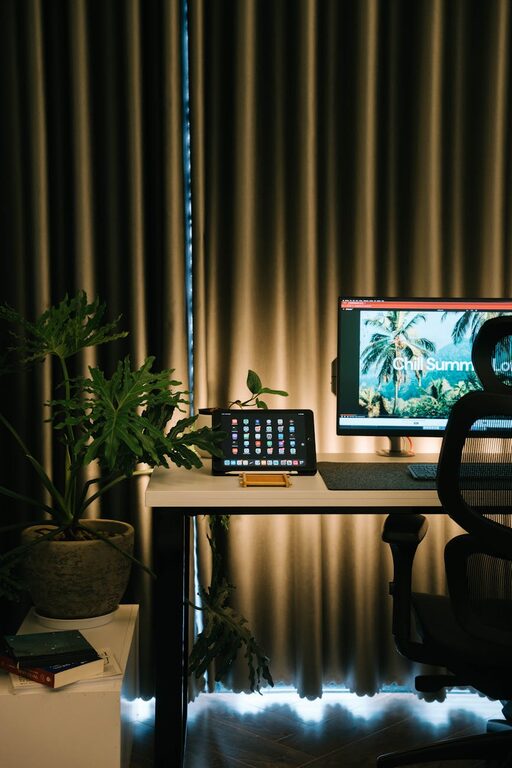
Creating a home workspace that is both relaxing and productive can significantly improve your work-from-home experience. Striking the right balance between comfort and efficiency is key to staying motivated and maintaining focus throughout the day. Whether you have a dedicated room or just a small corner, these tips will help you design a space that supports your wellbeing and work goals.
Selecting the best spot for your home workspace is the first and most important step. Ideally, pick a quiet area with minimal distractions and good natural light. Avoid busy areas like the kitchen or living room if possible, as these can disrupt your concentration.
Natural light boosts mood and energy levels, so position your desk near a window if you can. Make sure the light doesn’t cause glare on your computer screen; adjust curtains or blinds as needed to reduce harsh reflections.
Comfort is crucial when you spend long hours working. Invest in ergonomic furniture that supports good posture and reduces strain.
– Choose a supportive office chair with adjustable height and lumbar support.
– Use a desk at the right height so your arms rest comfortably while typing.
– Consider accessories like a footrest, wrist support, or an adjustable monitor stand to further enhance comfort.
A tidy workspace helps reduce stress and distractions, making it easier to focus.
– Use storage solutions like shelves, drawers, or filing cabinets to keep documents and supplies organised.
– Declutter your desk daily, keeping only essential items within reach.
– Label storage boxes or files to quickly find what you need.
Adding personal touches makes your workspace feel inviting and unique, but it’s best to avoid clutter.
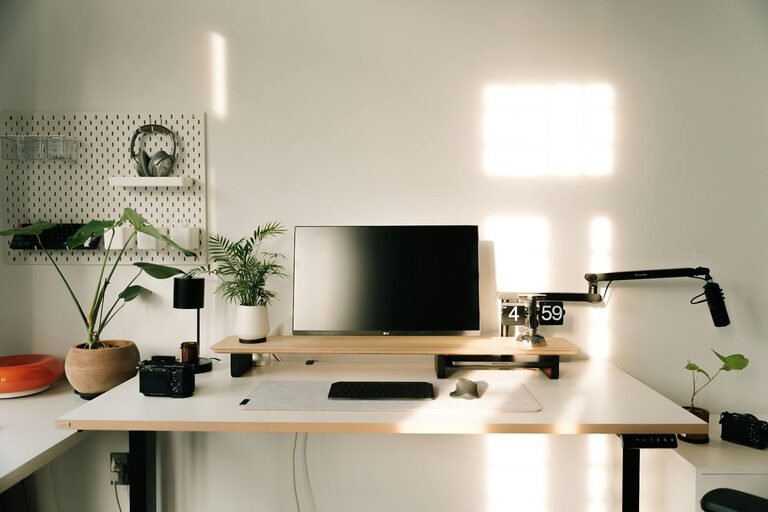
– Include a few favourite items, such as photos, plants, or artwork, that inspire and calm you.
– Choose calming colours, such as soft blues or greens, which promote relaxation.
– Avoid excessive decorations that might distract your attention.
Noise can be a major distraction when working from home. Here are ways to create a quieter environment:
– Use noise-cancelling headphones if your home is noisy.
– Play soft background music or nature sounds to improve focus.
– Talk to family or housemates about respecting your work hours.
In addition to natural light, proper artificial lighting is important to avoid eye strain and fatigue.
– Use a desk lamp with adjustable brightness for focused tasks.
– Avoid overhead lighting that casts shadows or causes glare.
– Choose warm or neutral light bulbs rather than harsh fluorescent lighting.
Creating clear boundaries helps maintain a good work-life balance even when your workspace is at home.
– Define your working hours and communicate them to family members.
– Use a physical marker, like a room divider or curtain, to separate your workspace from living areas.
– Get into the habit of “closing” your workspace at the end of the day to mentally switch off.
Bringing nature indoors can help reduce stress and improve air quality.
– Choose easy-to-care-for indoor plants, such as succulents or spider plants.
– Position plants on your desk or nearby shelves for visual and psychological benefits.
– Use natural materials like wooden furniture or stone decorations for a calming effect.
While technology is essential for productivity, managing it effectively can prevent burnout.
– Invest in reliable internet and tech equipment to avoid interruptions.
– Keep your software and hardware up to date for smoother performance.
– Take regular breaks from screens to reduce eye strain and maintain focus.
Small adjustments can make a big difference to your physical and mental wellbeing.
– Take regular breaks to stretch and move around.
– Maintain good ventilation and room temperature.
– Stay hydrated and keep healthy snacks nearby to keep your energy levels steady.
Designing a relaxing and productive home workspace takes a bit of planning and personalisation, but the benefits are well worth it. By focusing on comfort, organisation and creating clear boundaries, you can foster an environment that supports your best work and overall wellbeing. Remember, your workspace should serve you – so feel free to adjust it as your needs evolve.
With these tips in mind, you’re well on your way to creating a home office that helps you stay motivated, focused, and relaxed every day.