
 11
11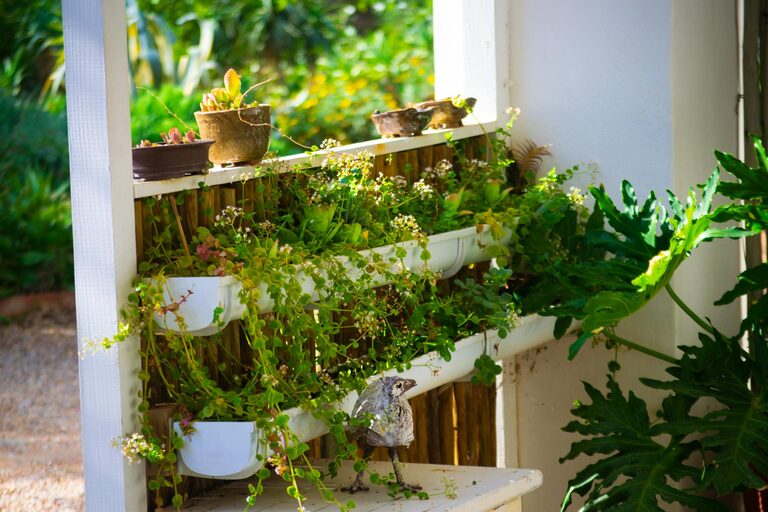
Creating a sustainable and beautiful home garden is a rewarding project that combines environmental mindfulness with personal enjoyment. Whether you have a small patio or a spacious backyard, adopting sustainable gardening practices helps conserve resources, supports local wildlife, and ensures your garden thrives for years to come. Here are some practical tips to guide you in establishing a garden that is both eco-friendly and visually appealing.
Sustainability in gardening means managing your garden in a way that minimises environmental impact while promoting biodiversity and conserving natural resources. It focuses on using materials and plants that are local and resilient, reducing waste, and maintaining soil health without harmful chemicals.
Native plants are adapted to the local climate and soil, making them more resilient and requiring less water and fertiliser. They also provide vital habitats and food for native insects and birds.
– Research plants that are indigenous to your region.
– Select a variety of flowering plants to support pollinators throughout the seasons.
– Incorporate shrubs and trees that offer shelter and nesting sites.
Water is a precious resource, so conserving it is key in sustainable gardening.
– Install rainwater harvesting systems such as barrels to collect roof runoff.
– Use drip irrigation or soaker hoses to deliver water directly to the roots.
– Mulch garden beds to reduce evaporation and keep soil moist.
– Group plants with similar water needs together to avoid overwatering.
Healthy soil is the foundation of a thriving garden.
– Add compost made from kitchen scraps and garden waste to enrich the soil.
– Use natural mulches like bark chips or leaf mould to improve soil structure.
– Avoid chemical fertilisers and pesticides that can harm beneficial microorganisms.
A sustainable garden welcomes and supports local wildlife.
– Plant a mix of nectar-rich flowers to attract bees, butterflies, and other pollinators.
– Provide water sources such as shallow birdbaths or small ponds.
– Leave some areas wild or create log piles for insects and amphibians.
– Avoid using pesticides that can disrupt the garden ecosystem.
Growing your own fruit, vegetables, and herbs adds value to your garden and reduces your food miles.
– Start with easy-to-grow herbs like mint, basil, or rosemary.
– Use raised beds or containers if space is limited.
– Plan for seasonal planting to maintain continuous harvests.
– Companion plant to deter pests naturally and improve growth.
Layering plants based on their height and growth patterns uses space efficiently and creates a natural look.
– Combine ground covers, perennials, shrubs, and trees.
– Use taller plants to provide shade to shade-loving species.
– Plant climbers on fences or trellises to maximise vertical space.
Lawns often require a lot of water, fertiliser, and mowing.
– Reduce lawn size and replace with ground covers or low-maintenance plants.
– Choose drought-tolerant grass varieties if maintaining a lawn.
– Leave grass clippings on the lawn to return nutrients to the soil.
Composting garden and kitchen waste reduces waste sent to landfill and improves your soil.
– Create a compost bin or heap in a discreet corner.
– Regularly turn the compost to speed decomposition.
– Use finished compost to feed plants and improve soil texture.
Instead of chemicals, encourage natural predators and use organic methods.
– Attract ladybirds, frogs, and birds that feed on pests.
– Use neem oil, insecticidal soap, or garlic sprays if needed.
– Remove weeds by hand to prevent them from spreading.
– Opt for tools made from recycled or sustainably sourced materials.
– Choose biodegradable garden twine or plant markers.
– Consider second-hand tools or sharing with neighbours to reduce consumption.
Creating a sustainable and beautiful home garden is not only good for the environment but also deeply satisfying. With thoughtful plant choices, efficient water use, rich soil management, and wildlife-friendly features, your garden can flourish while supporting the local ecosystem. Start small, enjoy the process, and watch your green space transform into a thriving sanctuary for both you and nature.
Happy gardening!